
 By narenchoudhary6747@gmail.com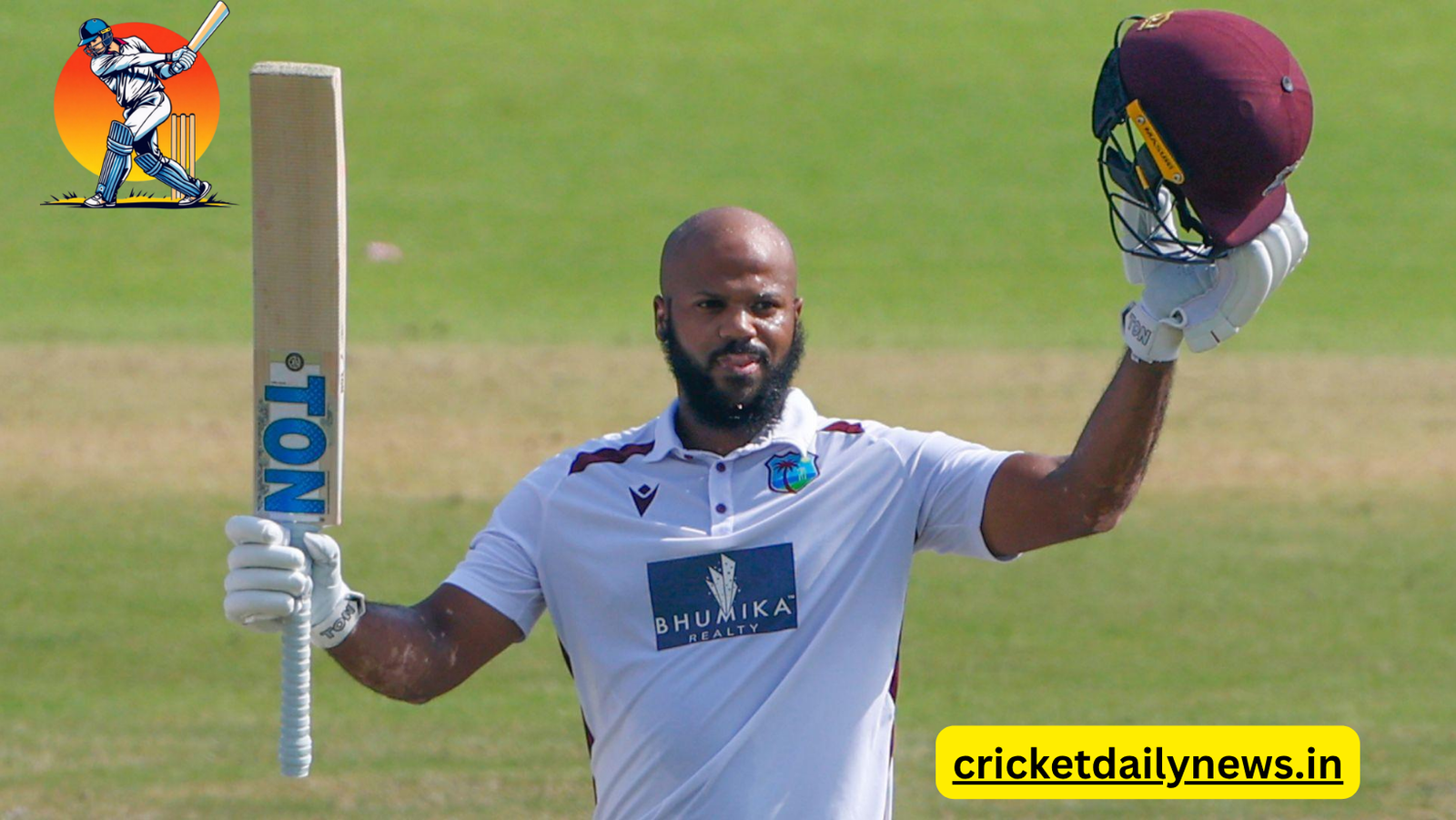
It’s been more than two decades since a West Indies opener reached the three-figure mark in India, but that long wait finally ended with John Campbell’s remarkable century in Delhi. The left-handed opener scripted history on Day 4 of the second Test against India, becoming the first West Indies opener to hit a Test century on Indian soil since Wavell Hinds’ memorable knock in 2002 at Eden Gardens, Kolkata.
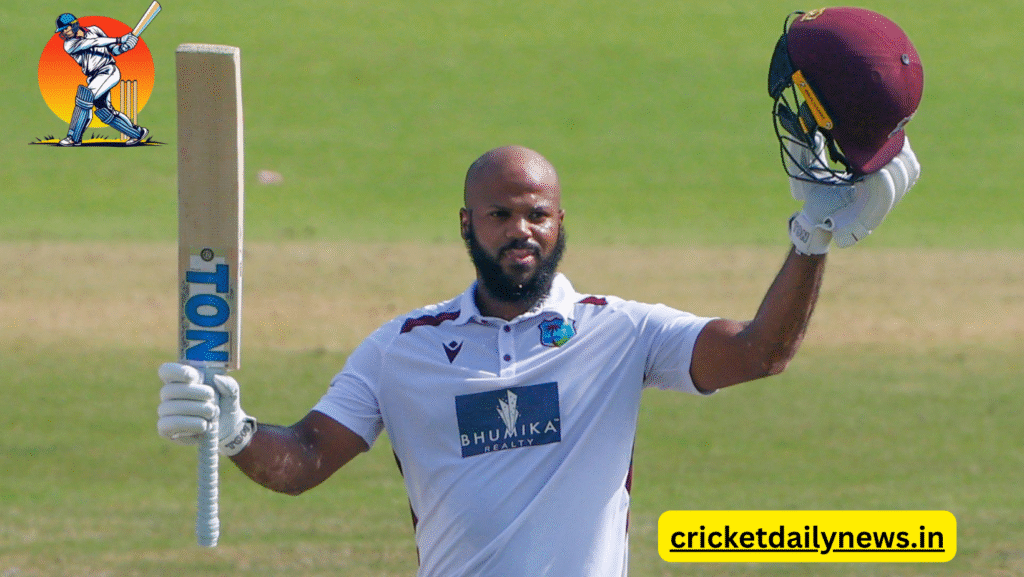
Campbell’s innings was not just a personal milestone, it was a statement of resilience, patience, and technical maturity. The southpaw reached his maiden Test hundred in style, launching a powerful six over long-on to bring up the landmark. The moment marked a new chapter for the 30-year-old Jamaican, who had been searching for consistency ever since his debut in 2019.
The history books tell a story of West Indies’ opening struggles in India. Since Hinds’ century in 2002, no Caribbean opener had managed to conquer Indian conditions, a challenge that has undone even some of the most talented players from around the world. Campbell’s ton finally broke that drought, giving West Indies fans a reason to celebrate after years of top-order instability.
The 2025 Delhi Test will now be remembered for this moment, not just for the numbers on the scoreboard, but for what it symbolized. For the West Indies, it was about revival, determination, and the rediscovery of fighting spirit in the longest format of the game.
When John Campbell walked in with Shai Hope, the situation looked grim for the visitors. Having been asked to follow on after a poor first-innings display, West Indies found themselves struggling at 35/2. India, with a commanding first-innings lead, seemed poised for another innings victory, just as they had achieved in Ahmedabad.
However, Campbell and Hope had other ideas. The pair steadied the ship, displaying composure and discipline rarely seen from West Indian openers in recent times. Their partnership flourished through precise shot selection, clever rotation of strike, and an ability to withstand India’s relentless spin and pace attack.
Together, they added over 150 runs for the third wicket, the highest third-wicket stand for West Indies in India since 2011. Back then, it was Darren Bravo and Kieran Powell who had stitched a 160-run partnership in Mumbai. The Campbell–Hope stand not only helped avert another collapse but also restored belief in the dressing room.
Campbell’s journey to this milestone hasn’t been easy. Since making his Test debut in 2019, he has often shown flashes of brilliance without converting starts into big scores. His aggressive style of play, while entertaining, had also led to repeated dismissals due to loose shots.
Criticism and questions about his place in the squad were constant companions. Yet, the left-hander continued to work on his technique, especially against spin, a weakness that had been exploited in previous tours. His determination finally paid off in Delhi, where he displayed excellent footwork, decisive stroke play, and, most importantly, patience.
This hundred was more than just a number. It represented years of perseverance, countless hours of practice, and a deep hunger to prove himself on the world stage. For Campbell, it was not only his first Test century but also redemption, a reminder that persistence always finds its reward.
- First West Indies opener to score a Test century in India since Wavell Hinds (2002, Kolkata).
- First West Indies opener to score a Test hundred since *Tagenarine Chanderpaul’s 207 vs Zimbabwe in Bulawayo (2023)**.
- First 150+ partnership for the third wicket by a West Indian pair in India since Bravo and Powell’s 160 in 2011 (Mumbai).
- Campbell’s maiden Test hundred in his 25th match.
- Second international century for Campbell after his ODI hundred against Ireland in 2019.
These stats underline just how significant the innings was, not just for Campbell personally but also in the broader context of West Indies cricket.
Facing India in India has always been one of the toughest assignments in world cricket. The pitches tend to assist spin from Day 3 onwards, and India’s world-class bowling attack, led by Jasprit Bumrah, Ravichandran Ashwin, and Ravindra Jadeja, makes run-scoring a daunting task.
Yet, Campbell rose to the occasion. His confident strokeplay against both pace and spin stood out. He played Ashwin with soft hands, used his feet effectively against Jadeja, and handled the seamers with assurance.
The six that brought up his century was symbolic, fearless, powerful, and full of intent. Even Indian fans at the Arun Jaitley Stadium appreciated the quality of his innings, applauding the moment when he reached his landmark.
While Campbell’s innings took the headlines, Shai Hope’s contribution at the other end was equally crucial. Hope played the anchor role perfectly, rotating the strike and ensuring that the pressure never built up. His partnership with Campbell reflected the kind of teamwork and temperament that West Indies cricket has long been seeking in its red-ball format.
Hope’s presence also allowed Campbell the freedom to play his natural game. Together, they frustrated the Indian bowlers, forcing Rohit Sharma to make multiple bowling changes in search of a breakthrough. Their partnership showcased what the West Indies batting lineup can achieve when they combine flair with patience.
Over the past decade, West Indies cricket has faced several challenges, from declining performances to administrative instability. However, performances like Campbell’s remind fans of the team’s proud history and untapped potential. The last few years have seen young players like Chanderpaul, Hope, and now Campbell stepping up to rebuild the Test side’s foundation.
Campbell’s innings could serve as inspiration for future West Indian openers, proof that perseverance pays off and that centuries in tough conditions are still achievable with grit and focus.
India Still in Command, But the Spirit Is Back
Even though India remains ahead in the Delhi Test, holding a series lead of 1-0 after their innings-and-140-run victory in Ahmedabad, the West Indies have shown fight. Campbell’s century and the strong partnership with Hope have ensured that the visitors won’t go down without a battle.
Whether or not they manage to save the Test, the intent and resilience displayed in this innings will give them confidence heading into future tours. It’s the kind of performance that builds belief, not only within the team but also among supporters who have been waiting to see their side rise again.
John Campbell’s century in Delhi wasn’t just another statistic; it was a story of patience rewarded, effort validated, and spirit rekindled. For over twenty years, no West Indian opener had managed to conquer Indian conditions, until Campbell decided to change that narrative.
From his six that sealed the hundred to his calm reaction afterward, it was clear that this was a deeply emotional moment. As he raised his bat to acknowledge the dressing room and the fans, he carried not just his personal achievement but also the hopes of a cricketing nation hungry for revival.
West Indies may still be rebuilding, but with players like Campbell leading from the front, their Test future suddenly looks a lot brighter.